Aquatic Life Profile · Freshwater Life
Amazon River Dolphin
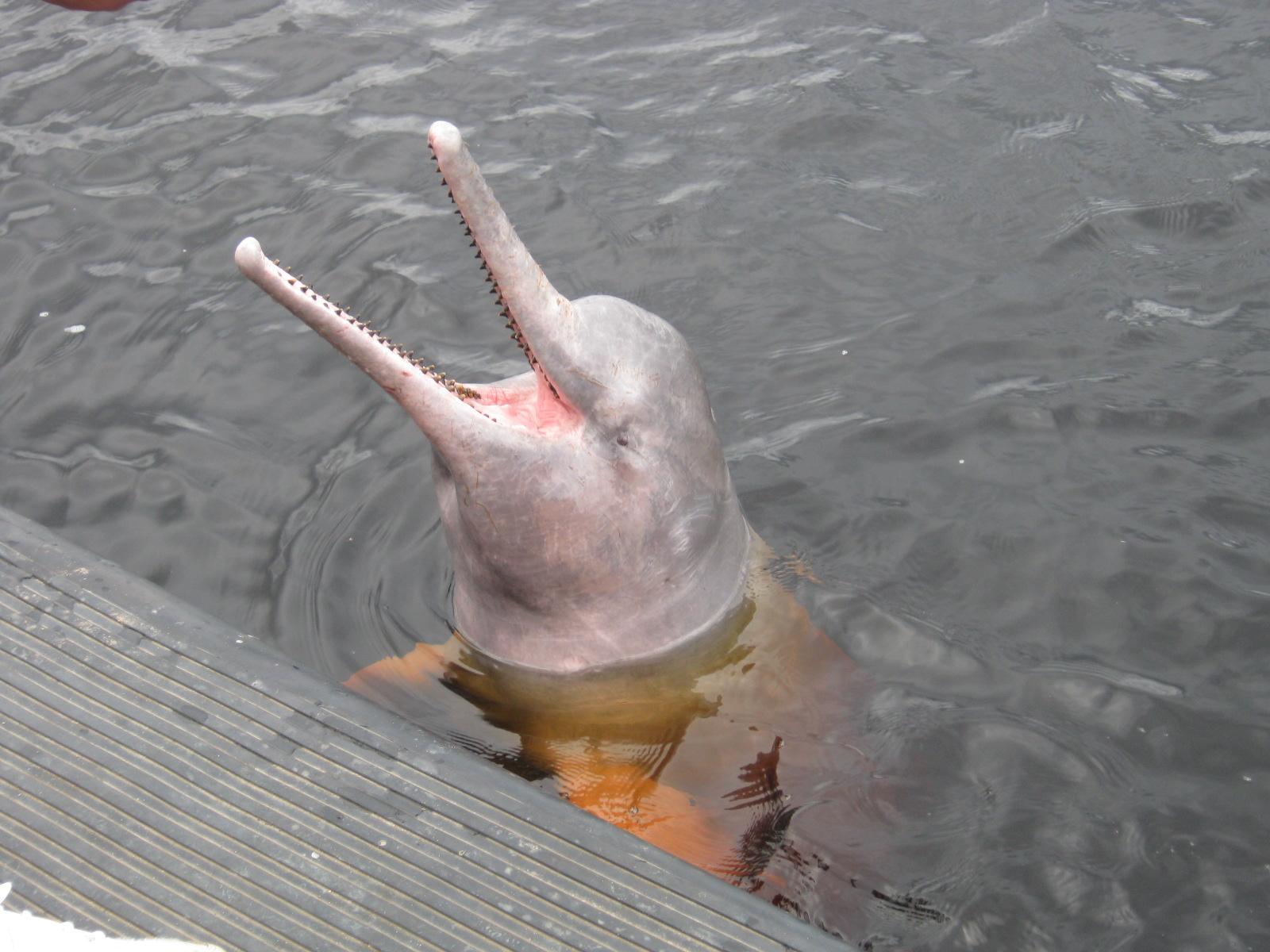
Inia geoffrensisA flexible-necked river dolphin, often pink in adults, adapted to maneuvering through seasonally flooded forest.Identification
How to recognize amazon river dolphin
Use several field marks together. Apparent color, scale, and proportions can change with depth, visibility, lighting, age, posture, and viewing angle.
Behavior
What divers may observe
Behavior changes with location, season, life stage, food, reproductive activity, environmental conditions, and human presence.
Habitat and range
Where this species lives
Main rivers, tributaries, floodplain lakes, and flooded forest
Habitat note 1
Core habitat includes main rivers, tributaries, floodplain lakes, and flooded forest.
Habitat note 2
Range: Amazon and Orinoco basins. Local abundance and encounter timing can vary substantially.
Responsible encounters
Observe without changing the animal's behavior
Conditions and local regulations take priority. Follow the operator's briefing, maintain control, and allow wildlife to choose distance and direction.
Connected destinations
Places associated with encounters
These are broad starting points, not guarantees. Seasons, access, animal presence, regulations, and operator schedules change. Confirm current information directly before planning.
Rio Negro, Brazil
Future connections can lead to destination, dive-site, aquarium, expedition, or operator pages.
Peruvian Amazon
Future connections can lead to destination, dive-site, aquarium, expedition, or operator pages.
Orinoco basin
Future connections can lead to destination, dive-site, aquarium, expedition, or operator pages.
Conservation
Status, pressures, and responsible participation
Conservation note 1
Current profile status: Endangered globally.
Conservation note 2
Principal concerns include Entanglement, deliberate killing for bait, mercury, dams, vessel traffic, and river degradation.
Conservation note 3
Conservation status and regulations can differ by population and jurisdiction; verify current local guidance before an encounter.
Photography and video
Media spaces ready for future contributions
Each approved item can include a description, location, date, contributor credit, and source. Until then, every missing photograph and video remains clearly identified as a placeholder.
Featured encounter
Primary underwater encounter video
Future media, description, credit, location, and sourceIdentification
Close-up identification and field marks
Future media, description, credit, location, and sourceNatural behavior
Feeding, movement, or social behavior
Future media, description, credit, location, and sourceHabitat
The species in its natural environment
Future media, description, credit, location, and sourceSources and verification