Diving Safety ·
West Point Officer Dies During Certification Dive at Lake Hydra
Capt. Stephen O. Adjei died during scuba-certification training at a Pennsylvania quarry on September 26; the coroner and Army are investigating, and no medical, equipment or procedural cause has been established.
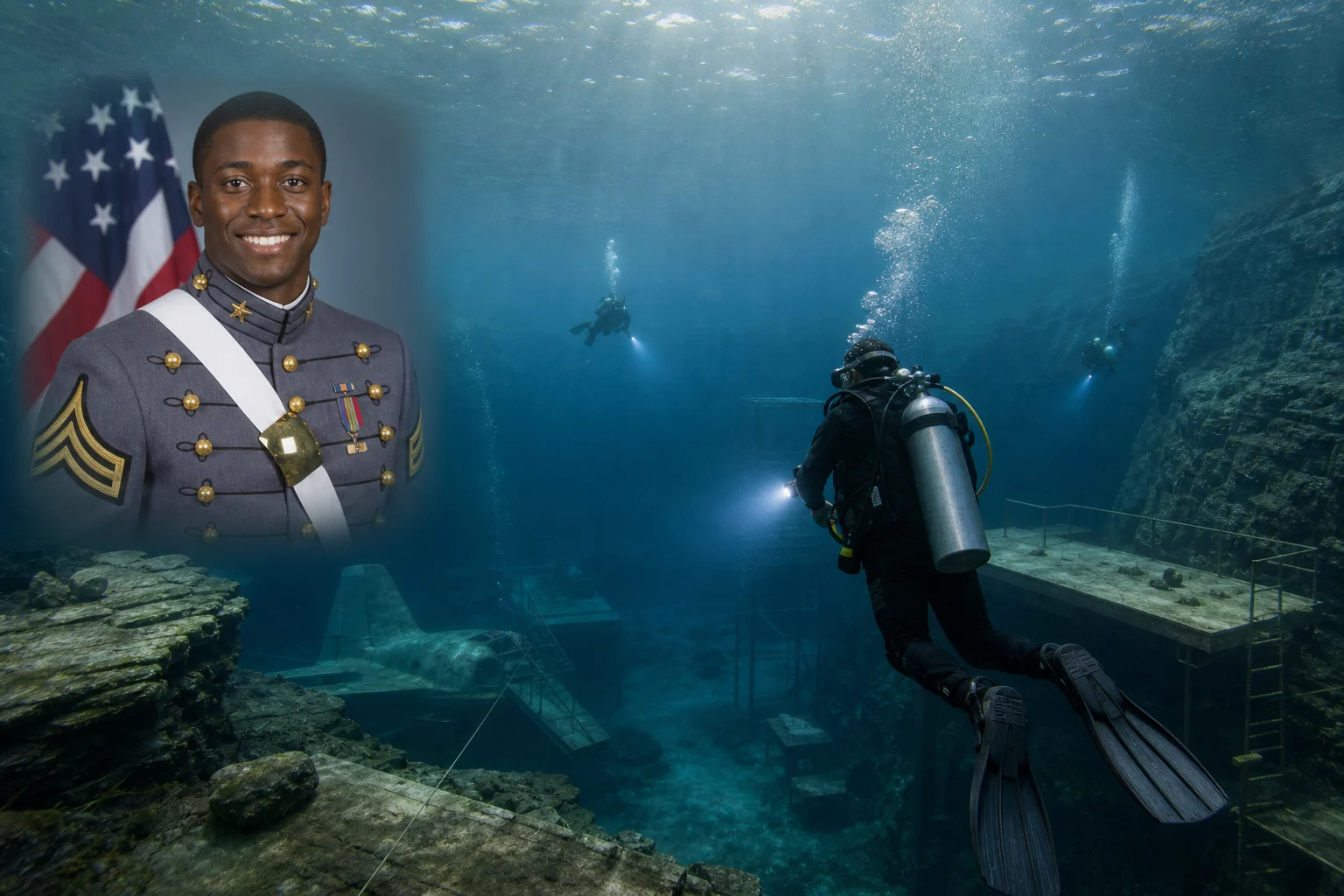
A U.S. Army officer assigned to the United States Military Academy at West Point died during scuba-certification training at Lake Hydra in Pennsylvania on September 26.
West Point identified him as Capt. Stephen O. Adjei, 31, and said the circumstances surrounding his death remain under investigation. Adjei had served at the academy since 2024. The Lehigh County coroner is also working to determine the cause and manner of death.
Lake Hydra is a 55-acre, spring-fed former limestone quarry near Bethlehem, previously known as Dutch Springs. It is used for supervised scuba instruction and contains submerged training attractions. Local reporting says several dive groups were at the site when Adjei was reported missing underwater.
Divers from another group joined the search, according to The Philadelphia Inquirer. After Adjei was brought ashore, a physician and paramedic who were present as diving students helped provide aid. The quarry’s deepest areas reach roughly 100 feet, and divers interviewed by the newspaper described overcast conditions and reduced light at common training depths that day.
Those observations provide context, not a cause. Authorities have not said whether a medical event, equipment problem, loss of visibility, separation, gas-management issue or another factor initiated the emergency. No public evidence reviewed for this draft establishes instructor, buddy or facility fault.
For the diving community, the incident highlights the need to preserve evidence and resist filling investigative gaps with assumptions. Training operations should have explicit lost-diver protocols, surface accountability, accessible oxygen and first-aid equipment, emergency communications and a site-specific plan for getting rescuers to a missing diver without exposing additional teams to unmanaged risk.
The case may eventually yield broader lessons, but any safety analysis should wait for findings from the coroner, Army or other competent authority. For now, the verified facts are limited: Adjei was participating in certification training, an underwater search and rescue response followed, and the cause of his death remains undetermined.
Connected reporting
Dive sites and aquatic life in this story
Reporting record