Dive Sites ·
New Camotes Marine Reserve Requires Permission and a Guide for Diving
San Francisco’s new 28-hectare Southern Poblacion Marine Reserve allows scuba under controlled conditions, while banning anchoring and extraction in its core zone.
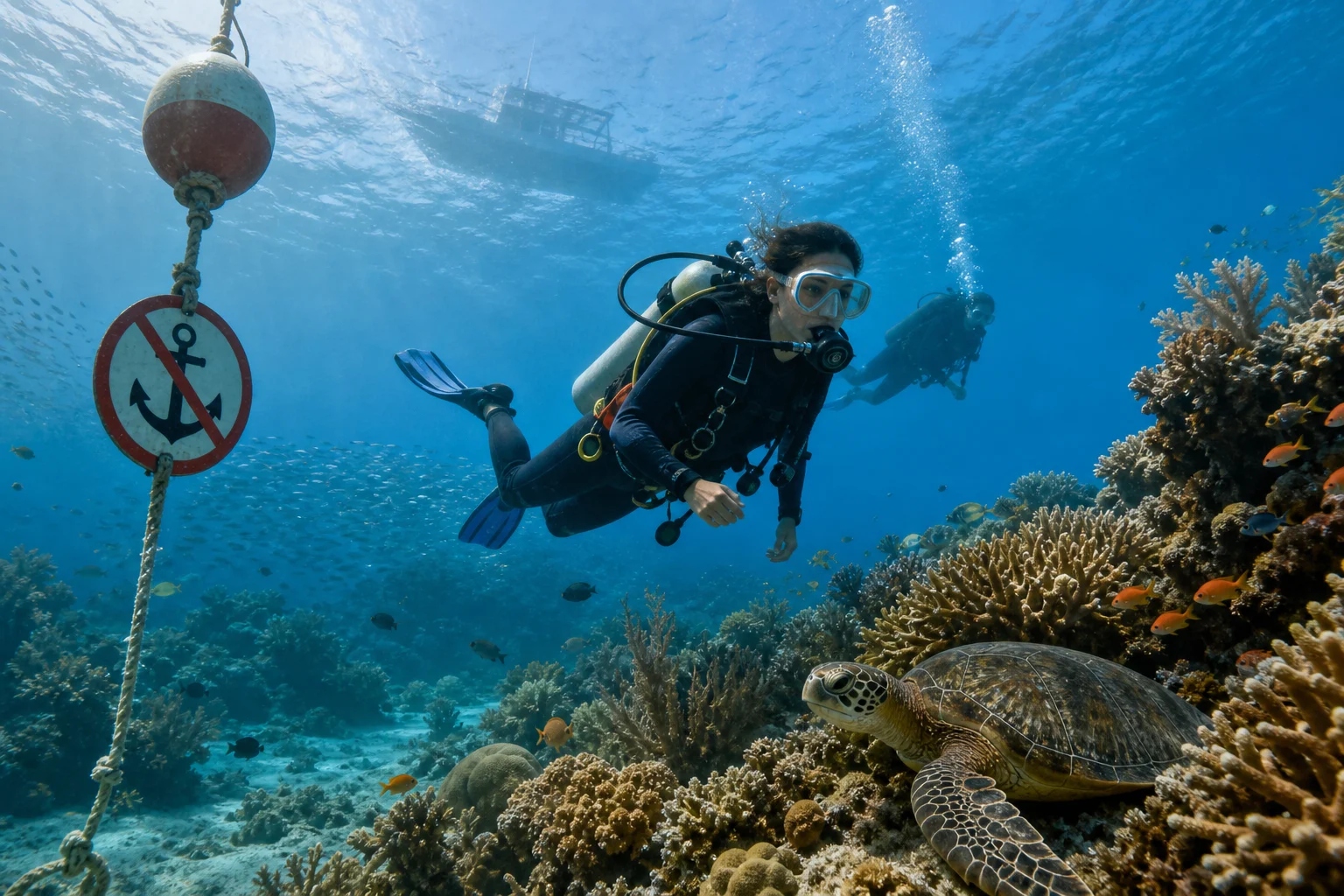
The municipality of San Francisco on Camotes Islands, Cebu, has created the 28-hectare Southern Poblacion Marine Reserve under Municipal Ordinance 2026-265. The measure establishes a no-take core zone and regulated surrounding waters, adding a new set of access conditions for divers, snorkelers, boat operators and other visitors.
Scuba diving is not prohibited outright. The published ordinance summary says diving, snorkeling, swimming and research may be allowed under controlled conditions and visitor limits. Tourists who want to dive must hold an appropriate diving certification, be accompanied by a tour guide and obtain permission from the reserve manager before the activity. Applicable service and equipment charges may also apply.
The core zone carries stricter environmental rules. Fishing, gleaning, gathering marine life, anchoring and collecting or destroying marine resources are prohibited. An exception is described for organisms that may cause harm, such as crown-of-thorns starfish, but divers should not interpret that as permission for independent removal; any intervention should be directed by reserve managers.
Tour guides and boat operators must carry identification, and tourism vessels must have first-aid equipment, life rings and life jackets. The ordinance also prohibits littering, improper waste disposal, poaching, compressor diving and destructive diving gear. Visitor activities can be limited or suspended if managers determine that tourism or research threatens the reserve.
Several implementation details remain unresolved in the public notice. The management board must still prepare implementing rules covering fees and charges. Although the ordinance says it takes effect upon approval, the published notice does not provide the approval date, and the boundary annexes were not included. Divers and operators therefore need the reserve manager’s current instructions rather than relying on an informal map or assuming that access is open everywhere.
For dive planning, the practical message is straightforward: treat Southern Poblacion as a managed reserve, not an unrestricted shore or boat-diving area. Confirm the legal boundary, secure permission, use an authorized guide, verify charges and vessel requirements, and ensure that the boat uses permitted moorings or anchoring areas outside the no-anchor core.
The ordinance can support reef recovery while preserving low-impact access, but its success will depend on clear boundary information, consistent permits and enforceable visitor limits. Until the implementing rules are published, travelers should avoid making non-refundable plans based solely on the general announcement.
Connected reporting
Dive sites and aquatic life in this story
Reporting record